Digital Marketing

Digital Marketing Service Near Me in Noida
Digital Marketing

On-Page SEO: Complete Guide to Optimizing Your Website

In today’s digital world, having a website is not enough. If you want your website to appear on Google and attract organic traffic, you need to optimize it properly. On-Page SEO is one of the most important parts of Search Engine Optimization that helps search engines understand your website content and helps users find relevant information easily. In this guide, we will understand what On-Page SEO is, why it is important, and which factors you should focus on to improve your website’s search engine visibility. What is On-Page SEO? On-Page SEO refers to the process of optimizing different elements of a webpage to improve its visibility and relevance in search engine results. These optimizations are performed directly on your website, unlike Off-Page SEO, which mainly focuses on external factors such as backlinks and online reputation. The main goal of On-Page SEO is to make your content useful for users and easy for search engines like Google to understand. Why is On-Page SEO Important? On-Page SEO is important because search engines need to understand what your webpage is about before they can determine when it should appear in search results. Proper optimization can help you: However, On-Page SEO alone does not guarantee a first-page ranking. Search engines consider many factors when ranking webpages, including content quality, technical performance, backlinks, search intent, and overall website authority. Important On-Page SEO Factors 1. Keyword Research Keyword research is one of the first steps in On-Page SEO. You need to identify the terms and phrases that your target audience searches for on Google. For example, if you have a digital marketing agency in Noida, relevant keywords could include “digital marketing agency in Noida,” “SEO services in Noida,” or “social media marketing agency in Noida.” Choose keywords that are relevant to your business and match the search intent of your audience. Avoid unnecessarily repeating keywords throughout your content. 2. SEO-Friendly Title Tag The title tag tells search engines and users what your webpage is about. It can also influence whether someone clicks on your result. A good title should be clear, relevant, and naturally include the primary keyword when appropriate. For example: On-Page SEO: Complete Guide to Website Optimization Avoid making titles unnecessarily long or filling them with keywords. 3. Meta Description A meta description is a short summary of a webpage that may appear below the title in search results. A well-written meta description should clearly explain what users can expect from the page and encourage relevant clicks. For example: Learn what On-Page SEO is, why it matters, and how to optimize titles, headings, content, images, URLs, and other important website elements. Google may sometimes generate a different search snippet instead of using the provided meta description. 4. Use Proper Headings Headings help organize your content and make it easier to read. Use one clear main heading for the page and use subheadings such as H2 and H3 to divide the content into logical sections. For example: H1: On-Page SEO GuideH2: What is On-Page SEO?H2: Important On-Page SEO FactorsH3: Keyword ResearchH3: Title TagH3: Internal Linking Proper heading structure helps both users and search engines understand the organization of your content. 5. Create High-Quality Content Content is one of the most important elements of a successful SEO strategy. Your content should provide useful and accurate information that satisfies the user’s search intent. Instead of writing content only to include keywords, focus on answering the questions your audience actually has. Keep your content easy to read, use relevant examples, and update important information when necessary. 6. Optimize URLs A clean and descriptive URL can help users understand what a page is about. For example: example.com/on-page-seo-guide is easier to understand than: example.com/page?id=12345 Keep URLs simple, descriptive, and relevant to the page topic. 7. Image Optimization Images can improve the user experience, but they should also be optimized for SEO and website performance. Use relevant image file names and descriptive alt text where appropriate. Compress large images to help improve page loading speed. For example, instead of using a file name like: IMG1234.jpg you could use: on-page-seo-guide.jpg Alt text should describe the image accurately rather than being used simply to insert keywords. 8. Internal Linking Internal links connect one page of your website to another page on the same website. For example, an On-Page SEO blog can link to related pages about Technical SEO, Keyword Research, Link Building, or SEO Services. Internal linking helps users discover related content and can also help search engines understand the relationship between pages on your website. 9. Mobile-Friendly Website A large number of people access websites through smartphones. Therefore, your website should work properly across different screen sizes. Make sure your text is readable, buttons are easy to use, images fit the screen, and important content is accessible on mobile devices. 10. Improve Page Experience and Speed Website performance can affect user experience. If a page takes too long to load, visitors may leave before reading the content. Optimize images, reduce unnecessary scripts, use efficient website technologies, and monitor your site’s performance regularly. Tools such as Google Search Console and PageSpeed Insights can help you identify potential issues. On-Page SEO Best Practices A good On-Page SEO strategy should focus on users first. Use keywords naturally, create helpful content, maintain a logical heading structure, optimize images, improve internal linking, and make your website easy to use on mobile devices. Avoid keyword stuffing, duplicate content, misleading titles, and unnecessary optimization. SEO should be a long-term process focused on creating value for your audience. Conclusion On-Page SEO is an essential part of improving a website’s organic search visibility. From keyword research and title tags to content optimization, internal linking, images, URLs, and mobile usability, every element can contribute to a better webpage experience. If you consistently create helpful content and optimize your webpages according to user intent, you can build a stronger foundation for your overall SEO strategy. Remember that SEO takes time, so focus on providing genuine value rather than trying to achieve quick

SEO Company in NoidaDigital Marketing Company in NoidaBest Digital Marketing Agency in Noida
Digital Marketing

Digital Marketing Agency in Noida: Grow Your Business Online

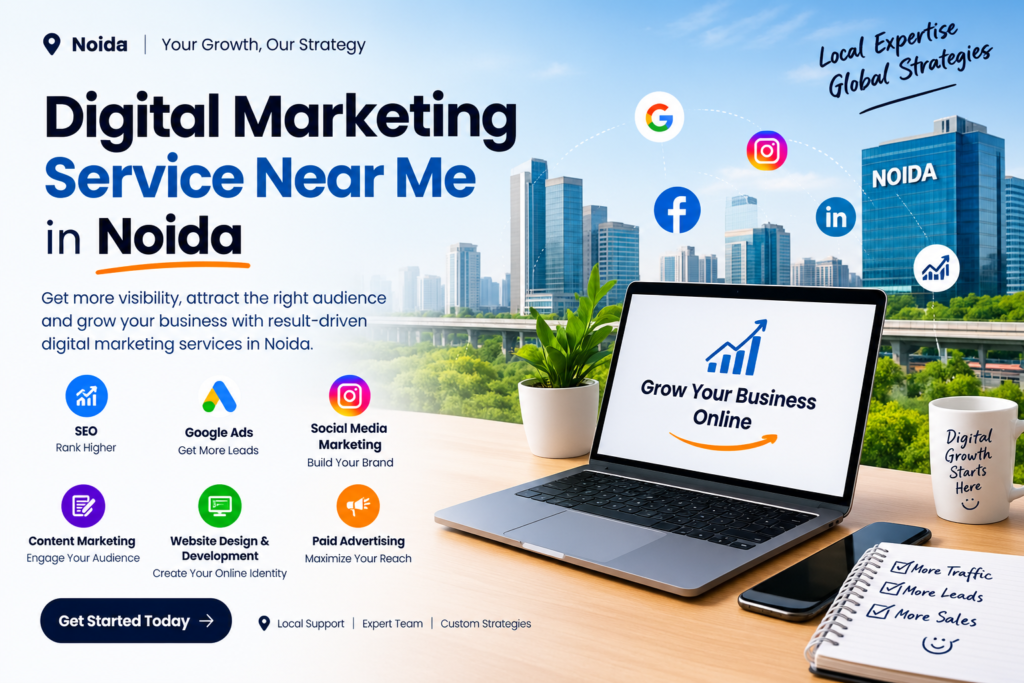
In today’s digital world, having an online presence is essential for every business. Whether you are a startup, local business, e-commerce company, or established brand, digital marketing can help you reach the right audience and grow your business. A professional digital marketing agency in Noida can help businesses build their online presence, generate leads, increase website traffic, and improve sales. Why Choose a Digital Marketing Agency in Noida? Noida has become one of the major business and technology hubs in India. With thousands of startups, companies, and local businesses operating in the city, competition is increasing every day. Simply having a website or social media page is not enough. Businesses need a proper digital marketing strategy to stand out from competitors. A digital marketing agency provides different online marketing services according to the goals of a business. These services can include Search Engine Optimization (SEO), Social Media Marketing (SMM), Google Ads, content marketing, website design and development, and online reputation management. SEO Services for Better Google Rankings SEO helps businesses improve their visibility on search engines like Google. A digital marketing agency can optimize your website, improve content, conduct keyword research, build quality backlinks, and work on technical SEO factors. Better search visibility can help businesses attract more relevant visitors and potential customers. Social Media Marketing Social media platforms such as Instagram, Facebook, LinkedIn, and YouTube have become powerful tools for business promotion. A professional agency can create engaging content, manage social media pages, develop content strategies, and run targeted campaigns to reach the right audience. Google Ads and Paid Advertising Businesses that want faster results can use paid advertising platforms such as Google Ads and Meta Ads. Agencies can create targeted campaigns, select relevant keywords and audiences, monitor performance, and optimize advertising budgets to improve campaign results. Website Design and Development Your website is often the first place where potential customers learn about your business. A professional digital marketing agency can create a responsive, user-friendly, and search-engine-friendly website that represents your brand professionally and makes it easier for visitors to take action. Choose the Right Digital Marketing Partner When choosing a digital marketing agency in Noida, businesses should consider its services, experience, portfolio, communication process, reporting system, and understanding of the client’s industry. A good agency should focus on measurable objectives rather than simply promising quick results. Conclusion Digital marketing can help businesses build visibility, connect with potential customers, and create long-term growth opportunities. Whether you need SEO, social media marketing, paid advertising, content marketing, or website development, working with a professional digital marketing agency in Noida can help you create a structured online growth strategy. digiralmarketihttps://desidigitalagency.com/ngnoida Best Dhttps://desidigitalagency.com/blogs/igital Marketing Agency in Noida SEO Agency in Noidahttps://desidigitalagency.com/website-design/

Digital Marketing for Real Estate
Digital Marketing

Digital Marketing for Real Estate: How to Generate More Property Leads Online

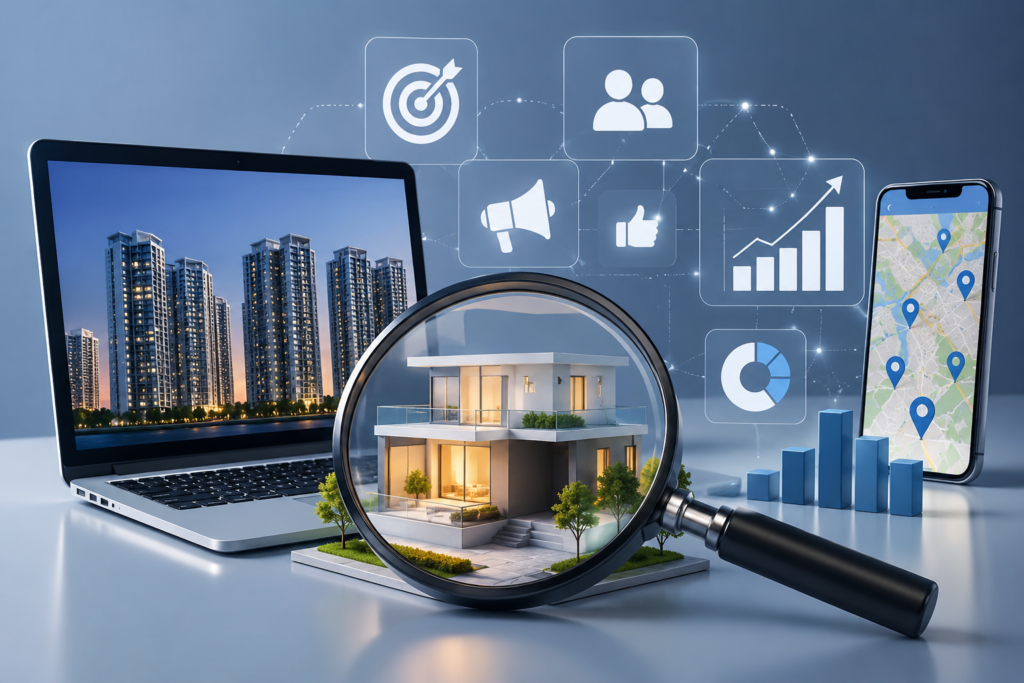
Digital Marketing for Real Estate has become an essential strategy for builders, property dealers, brokers, and real estate companies that want to attract qualified buyers online. Today, most customers search for properties, compare prices, check locations, and research developers before making a decision. A strong online presence can help real estate businesses reach these potential customers at the right time. Why Digital Marketing Matters for Real Estate Traditional marketing methods such as newspapers, hoardings, and pamphlets can generate awareness, but they often make it difficult to measure results. With Digital Marketing for Real Estate, businesses can track impressions, clicks, leads, conversions, and campaign performance. Digital marketing also allows real estate companies to target people based on location, interests, demographics, search behavior, and buying intent. This makes advertising more focused and potentially more cost-effective. SEO for Real Estate Businesses Search Engine Optimization (SEO) is one of the most important parts of Digital Marketing for Real Estate. Potential buyers commonly search terms such as: Creating optimized website pages and helpful blogs around relevant search terms can improve organic visibility. Local SEO is equally important because property searches are strongly connected to specific locations. A properly optimized Google Business Profile, location pages, reviews, and local citations can help real estate businesses attract nearby customers. Google Ads for Property Leads Google Ads can help real estate companies appear when users actively search for properties. For example, someone searching for “apartments for sale in Noida” may already have strong purchase intent. With Digital Marketing for Real Estate, Google Ads campaigns can be divided into different ad groups according to property type, location, budget, and buyer intent. Proper keyword selection, negative keywords, compelling ad copy, and conversion tracking are important for controlling advertising costs. Social Media Marketing Platforms such as Facebook and Instagram are useful for showcasing properties visually. Real estate businesses can publish property walkthroughs, construction updates, amenities, customer testimonials, location advantages, and short videos. Reels can be particularly useful for presenting properties in an engaging format. Paid social media campaigns can also target different customer segments and generate enquiries through lead forms, landing pages, or WhatsApp. Content Marketing Content helps establish credibility and answer common customer questions. A real estate company can publish articles about home-buying tips, property investment, loan information, location guides, construction updates, and market trends. Useful content can bring visitors to the website and gradually move them toward becoming leads. Landing Pages and Lead Generation A dedicated landing page can improve the performance of Digital Marketing for Real Estate campaigns. Each landing page should clearly explain the property, location, amenities, pricing information, and benefits. A strong call-to-action such as “Book a Site Visit,” “Get Property Details,” or “Request a Callback” can encourage visitors to take action. Conclusion Digital Marketing for Real Estate combines SEO, Google Ads, social media, content marketing, landing pages, and conversion tracking to create a complete online lead-generation system. Real estate businesses that consistently provide useful information and target the right audience can build stronger visibility and generate more qualified enquiries. The key is not simply to get more traffic, but to attract the right potential buyers and convert them into genuine property leads.

Personal Branding for Doctors
Digital Marketing

Personal Branding for Doctors: Build Trust, Authority, and More Patient Connections

In today’s digital world, Personal Branding for Doctors is no longer optional. Patients don’t just search for hospitals—they search for doctors they can trust. Before booking an appointment, most people check Google, social media, reviews, and professional websites to learn more about a doctor’s expertise and reputation. A strong Personal Branding for Doctors strategy helps healthcare professionals establish credibility, attract new patients, and build long-term relationships. Whether you are a physician, dentist, surgeon, dermatologist, pediatrician, or specialist, your personal brand can significantly influence patient decisions. What is Personal Branding for Doctors? Personal Branding for Doctors is the process of creating a professional identity that showcases your expertise, values, experience, and patient care approach. It helps patients understand who you are, what you specialize in, and why they should trust you with their healthcare needs. Your personal brand includes: Together, these elements create a trustworthy image that encourages patients to choose your services. Why Personal Branding Matters Healthcare is built on trust. Patients often compare multiple doctors before making an appointment. A strong online presence can be the deciding factor. Benefits include: An effective Personal Branding for Doctors strategy helps you stand out in a competitive healthcare market. Build a Professional Doctor Website Your website is the foundation of your personal brand. Include: A modern, mobile-friendly website creates a positive first impression and improves patient confidence. Optimize Your Google Business Profile Many patients search for doctors using Google Maps or local search. Optimize your profile by adding: A well-managed Google Business Profile supports Personal Branding for Doctors by increasing local visibility. Share Educational Content Patients appreciate doctors who educate rather than simply promote. Content ideas include: Educational content positions you as a trusted medical expert. Use Social Media Professionally Social media allows doctors to reach thousands of people every day. Popular platforms include: Share: Consistent posting strengthens Personal Branding for Doctors while keeping your audience engaged. Encourage Patient Reviews Online reviews influence healthcare decisions. Ask satisfied patients to leave reviews after successful consultations. Positive reviews help: Always respond professionally to reviews, whether positive or negative. Showcase Your Expertise Patients trust doctors with proven expertise. Highlight: Displaying your achievements strengthens your professional image. Create High-Quality Videos Video content is one of the most effective branding tools. Topics include: Videos help patients connect with you before their first appointment. Maintain Professional Consistency Consistency builds recognition. Ensure your: remain consistent across every online platform. Consistency makes your personal brand more memorable. Improve Local SEO Most patients search for doctors near their location. Optimize for local searches by: Local SEO enhances Personal Branding for Doctors by making you easier to find in your community. Build Trust Through Transparency Patients appreciate honest communication. Clearly explain: Transparency builds stronger patient relationships. Participate in Community Events Offline activities also strengthen your personal brand. Examples include: Community engagement increases visibility while demonstrating genuine commitment to public health. Network with Healthcare Professionals Professional relationships can generate valuable referrals. Build connections with: A strong professional network enhances both credibility and patient reach. Monitor Your Online Reputation Regularly search your name online. Check: Respond professionally and correct inaccurate information whenever possible. Common Personal Branding Mistakes Avoid these errors: Professionalism should always remain your top priority. Best Practices for Long-Term Success Successful doctor branding requires consistency and patience. Focus on: Over time, these efforts create a recognizable and respected medical brand. Conclusion Personal Branding for Doctors is an essential part of modern healthcare marketing. Patients increasingly rely on online research before selecting a healthcare provider, making a strong digital presence critical for success. By investing in a professional website, educational content, social media engagement, positive patient reviews, local SEO, and transparent communication, doctors can build lasting trust and attract more patients. A well-planned Personal Branding for Doctors strategy not only improves visibility but also strengthens your reputation, helping you become the preferred choice in your medical specialty.

YouTube Marketing Matters for Doctors
Digital Marketing, SMM

Why YouTube Marketing for Doctors

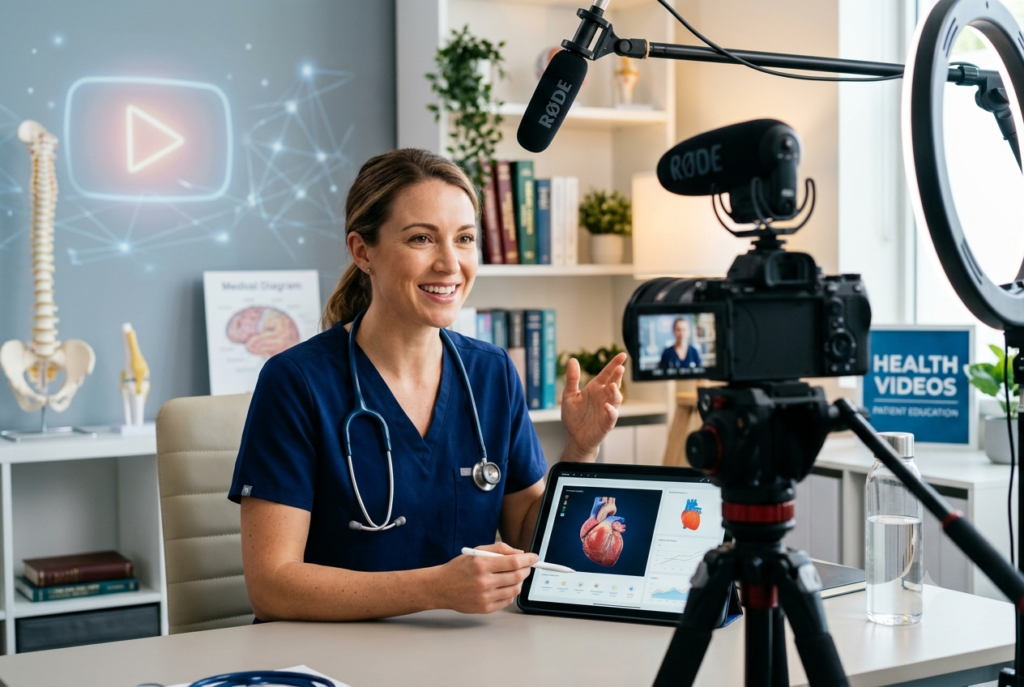
YouTube Marketing for Doctors is one of the most effective digital marketing strategies for healthcare professionals who want to educate patients, build trust, and increase appointment bookings. Millions of people search YouTube every day for health-related information before choosing a doctor or clinic. By creating informative and engaging videos, doctors can establish authority in their specialty and connect with potential patients. Unlike traditional advertising, YouTube allows doctors to answer common medical questions, explain treatments, and share valuable healthcare tips. This helps patients become familiar with the doctor’s expertise before scheduling a consultation. Benefits of YouTube Marketing for Doctors 1. Build Patient Trust Patients prefer doctors who provide helpful and reliable information. Educational videos make your practice appear more transparent and trustworthy. 2. Improve Online Visibility Optimized YouTube videos can rank on both YouTube and Google search results, helping your clinic attract more organic traffic. 3. Increase Appointment Bookings When viewers find useful content, they are more likely to visit your website, call your clinic, or book an appointment. 4. Strengthen Your Brand Consistent video content helps establish your clinic as a recognized healthcare brand in your local area. Best Video Ideas for Doctors Some popular topics include: Focus on creating simple, informative videos that answer real patient concerns. YouTube SEO Tips To get maximum visibility, optimize every video with: These practices improve search rankings and increase watch time. Content Strategy Create videos regularly, ideally once or twice a week. Keep videos between 5–10 minutes for educational topics. Speak in simple language that patients can easily understand, and always provide accurate, evidence-based information. Encourage viewers to subscribe, like, comment, and share your videos. Responding to comments also helps build trust and engagement. Promote Your Videos Share your YouTube videos on: Cross-platform promotion increases video reach and drives more traffic to your channel. Conclusion YouTube Marketing for Doctors is a powerful way to educate patients, increase online visibility, and grow your medical practice. High-quality educational videos help establish credibility while improving patient engagement and trust. By publishing valuable content consistently, optimizing videos for search, and promoting them across multiple platforms, doctors can attract more qualified patients and build a strong digital presence. Investing in YouTube marketing today can deliver long-term benefits for your clinic and support sustainable patient growth

Instagram ads for Doctor
Digital Marketing, SMM

Instagram Marketing for Doctors: A Complete Guide to Growing Your Medical Practice

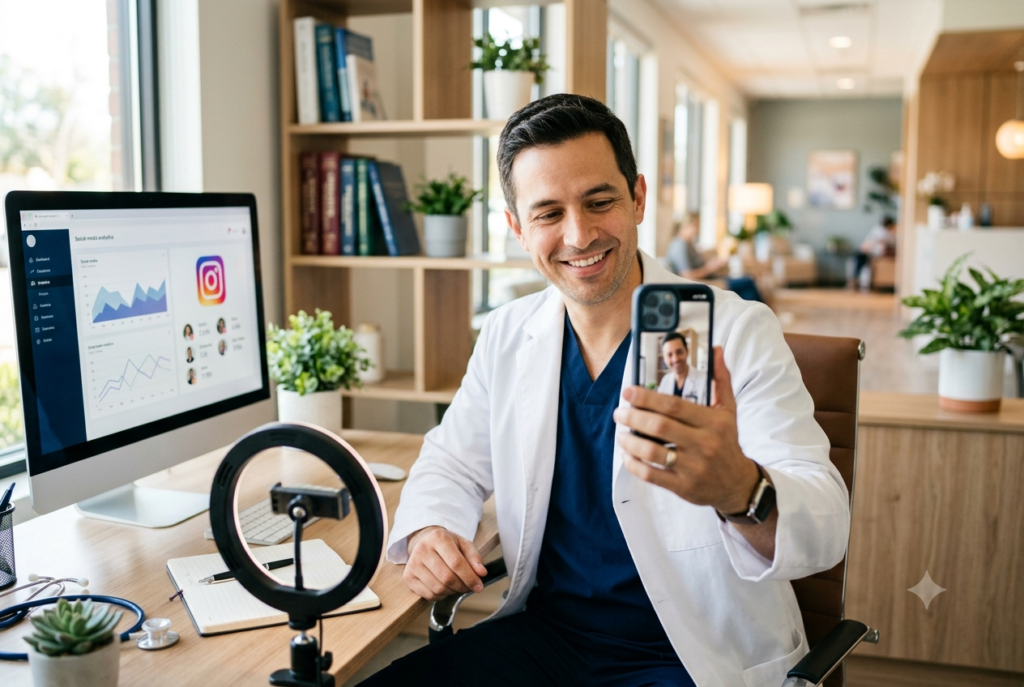
In today’s digital world, social media has become an essential marketing channel for healthcare professionals. Among all platforms, Instagram Marketing for Doctors is one of the most effective ways to connect with potential patients, build trust, and establish a strong online presence. With millions of active users scrolling through Instagram every day, doctors can educate, engage, and attract new patients through valuable content. Whether you are a general physician, dentist, dermatologist, pediatrician, gynecologist, orthopedic specialist, or cosmetic surgeon, Instagram Marketing for Doctors can help you reach your target audience while strengthening your professional reputation. What is Instagram Marketing for Doctors? Instagram Marketing for Doctors is the process of promoting medical services, educating patients, and increasing clinic visibility using Instagram. It includes posting informative content, sharing patient education, publishing short videos, running advertisements, engaging with followers, and building credibility through consistent activity. Unlike traditional advertising, Instagram allows doctors to interact directly with their audience while creating meaningful relationships based on trust and valuable health information. Why Doctors Should Use Instagram Patients today search online before choosing a healthcare provider. Many people check social media profiles to understand a doctor’s expertise, clinic environment, and patient engagement. Here are some benefits of using Instagram: A professional Instagram profile can become an effective patient acquisition channel when managed consistently. Optimize Your Instagram Profile The first step in successful Instagram Marketing for Doctors is creating a professional profile. Your profile should include: An optimized profile helps visitors quickly understand your services and encourages them to book appointments. Create Educational Content Educational content performs exceptionally well on Instagram because people are always looking for reliable health information. Some content ideas include: Educational posts position you as a trusted healthcare expert rather than simply promoting your clinic. Share Instagram Reels Instagram Reels receive higher organic reach than regular image posts. Doctors can create short videos covering: Using Reels regularly makes Instagram Marketing for Doctors more engaging and helps attract new followers. Use High-Quality Images Visual content is the heart of Instagram. Share: Always maintain professional quality and ensure patient privacy is protected. Build Trust Through Patient Education People appreciate doctors who explain medical concepts in simple language. Create posts about: Helpful content builds credibility and encourages users to follow your page for future advice. Use Instagram Stories Stories keep your audience engaged every day. Ideas include: Stories create regular interaction with your followers and improve visibility. Run Instagram Ads Paid advertising helps doctors reach people searching for healthcare services in their local area. Instagram ads can promote: Target ads based on: Paid campaigns are an important part of Instagram Marketing for Doctors because they generate qualified local leads. Maintain Consistent Posting Consistency is one of the biggest success factors. A weekly posting schedule may include: Regular posting keeps your audience engaged and improves Instagram’s algorithm performance. Use Relevant Hashtags Hashtags help your content reach more people. Examples: Use a mix of local and industry-related hashtags for better visibility. Engage With Your Audience Instagram rewards accounts that actively engage with followers. Respond to: Building conversations increases trust and encourages users to choose your clinic. Follow Medical Advertising Guidelines Doctors should always follow medical ethics while posting online. Avoid: Professionalism is essential for maintaining credibility. Track Performance Instagram Insights provides valuable analytics. Monitor: Review these metrics every month to understand which content performs best. Common Mistakes to Avoid Many doctors struggle because they: Avoiding these mistakes will improve long-term growth. Benefits of Instagram Marketing for Doctors A strong Instagram strategy can provide many long-term benefits: When combined with a professional website and local SEO, Instagram becomes a powerful patient acquisition channel. Conclusion Instagram Marketing for Doctors is no longer optional in today’s competitive healthcare industry. Patients want trustworthy information, easy communication, and confidence before booking an appointment. By sharing educational content, creating engaging Reels, posting consistently, interacting with followers, and running targeted local ads, doctors can build a strong online presence and attract more patients. A successful Instagram Marketing for Doctors strategy focuses on educating rather than selling. Over time, this approach builds credibility, strengthens patient relationships, and supports sustainable clinic growth. Whether you are starting a new practice or expanding an established clinic, investing in Instagram marketing can help you reach more people, improve patient engagement, and grow your medical practice successfully.

Facebook Ads for Doctors
Digital Marketing, SMM

Facebook Ads for Doctors: The Complete Guide to Grow Your Medical Practice

In today’s digital world, patients are searching for doctors online before booking an appointment. Whether they need a general physician, dentist, dermatologist, pediatrician, gynecologist, or orthopedic specialist, Facebook has become one of the best platforms to reach potential patients. Facebook Ads for Doctors help medical professionals increase visibility, attract local patients, and grow their clinics with measurable results. Unlike traditional advertising methods, Facebook allows doctors to target people based on their location, age, interests, and health-related behaviors. This means your advertisements are shown to the right audience at the right time, increasing the chances of appointment bookings. What Are Facebook Ads for Doctors? Facebook Ads for Doctors are paid advertisements that appear on Facebook, Instagram, Messenger, and the Meta Audience Network. These ads help doctors promote their services, healthcare awareness campaigns, special consultations, and appointment booking options. With Facebook Ads, doctors can reach thousands of local patients who may be searching for healthcare services without spending a huge marketing budget. Why Doctors Should Use Facebook Ads Healthcare is becoming increasingly competitive. Patients often compare multiple clinics before making a decision. Facebook advertising provides doctors with several advantages: Using Facebook Ads for Doctors strategically helps clinics remain visible throughout the patient’s decision-making journey. Benefits of Facebook Ads for Doctors 1. Hyper-Local Targeting Doctors primarily serve patients within a specific geographic area. Facebook allows advertisers to target users within a selected radius around the clinic. For example: This ensures your ads reach people who are actually able to visit your clinic. 2. Cost-Effective Marketing Compared to newspapers, television, or billboards, Facebook advertising offers a much better return on investment. Even a small daily budget can generate inquiries and appointments. Many clinics start with ₹500–₹1,000 per day and gradually increase spending after seeing positive results. 3. Advanced Audience Targeting Facebook lets doctors target audiences based on: This precision makes Facebook Ads for Doctors highly effective compared to traditional advertising. Types of Facebook Ads for Doctors Image Ads Simple images highlighting clinic services, doctors, or healthcare facilities. Best for: Video Ads Videos explain treatments, introduce doctors, or provide health tips. Video content often receives higher engagement than static images. Lead Generation Ads Lead forms allow patients to submit their: This makes appointment scheduling quick and convenient. Carousel Ads Show multiple services in one advertisement, such as: Appointment Ads Encourage patients to directly book consultations through your website or booking system. Best Objectives for Doctor Facebook Campaigns When setting up Facebook Ads for Doctors, choose campaign objectives based on your goal. Awareness Suitable for: Traffic Drives users to your website where they can learn about services and book appointments. Leads Collect patient inquiries directly within Facebook. Engagement Increase likes, comments, and shares on healthcare content. Conversions Ideal if your website has appointment booking functionality and Meta Pixel installed. Create a High-Converting Doctor Advertisement A successful doctor advertisement includes: Professional Image Use: Avoid overly edited or misleading images. Strong Headline Examples: Clear Description Mention: Strong Call-to-Action Examples include: These elements improve the effectiveness of Facebook Ads for Doctors by encouraging patients to take immediate action. Target the Right Patients Audience selection is one of the biggest advantages of Facebook advertising. Doctors can target: This ensures marketing budgets are spent efficiently. Landing Page Optimization Sending users to a professional landing page improves conversions. Include: A fast-loading and mobile-friendly page increases patient trust. Use Meta Pixel Meta Pixel tracks visitor activity on your website. It helps you: Without tracking, it is difficult to understand which ads generate appointments. Retarget Interested Patients Not every visitor books an appointment immediately. Retarget users who: Remarketing usually delivers higher conversion rates because these users are already familiar with your clinic. Common Mistakes to Avoid Many clinics waste advertising budgets due to avoidable mistakes. Avoid: Continuous optimization is essential for long-term success. Tips for Better Results To maximize your advertising performance: These practices help Facebook Ads for Doctors deliver consistent and sustainable patient growth. Measuring Campaign Success Monitor key metrics such as: Analyzing these metrics allows you to refine campaigns and improve results over time. Conclusion Facebook advertising has become one of the most effective digital marketing tools for healthcare professionals. With precise audience targeting, affordable budgets, engaging ad formats, and measurable performance, Facebook Ads for Doctors help clinics attract more patients and strengthen their online presence. Whether you are opening a new clinic or looking to increase appointments for an established practice, investing in Facebook Ads for Doctors can deliver long-term growth. By combining professional ad creatives, local targeting, optimized landing pages, and ongoing campaign optimization, doctors can build trust, generate qualified leads, and increase patient bookings consistently.

How Doctors Get More Patients Online
Digital Marketing

How Doctors Get More Patients Online

In today’s digital world, patients no longer rely only on word-of-mouth recommendations. Most people search online before booking a doctor’s appointment. They check Google reviews, visit websites, compare clinics, and even browse social media profiles before making a decision. This shift has made online marketing essential for every healthcare professional. If you are wondering How Doctors Get More Patients Online, the answer lies in building a strong digital presence, improving search engine visibility, and creating trust with potential patients. Whether you run a private clinic, dental practice, or multi-specialty hospital, the right online strategy can help you attract more patients consistently. Why Online Presence Matters for Doctors More than ever, patients use Google to search for healthcare services. Searches like “best dentist near me,” “skin specialist in my city,” or “orthopedic doctor near me” happen thousands of times every day. If your clinic does not appear in these search results, you are losing potential patients to competitors. Understanding How Doctors Get More Patients Online starts with recognizing that patients want convenience. They expect to find your clinic online, read reviews, see your services, and book appointments easily. 1. Create a Professional Website A modern, mobile-friendly website is the foundation of digital marketing. Your website should include: A professional website builds credibility and helps convert visitors into patients. 2. Focus on Healthcare SEO Search Engine Optimization (SEO) helps your website rank higher on Google. Healthcare SEO includes: Healthcare SEO is one of the most effective methods of How Doctors Get More Patients Online because it brings organic traffic without paying for every click. 3. Optimize Google Business Profile A Google Business Profile is one of the most powerful free marketing tools for doctors. Optimize it by adding: Patients searching for nearby doctors usually see Google Maps results first. A well-optimized profile increases visibility and trust. 4. Collect Patient Reviews Online reviews influence patient decisions. Encourage satisfied patients to leave honest reviews after successful treatment. Benefits include: Respond professionally to every review, whether positive or negative. 5. Publish Helpful Healthcare Blogs Educational content positions you as an expert. Write blogs about: Blogging is an excellent way to demonstrate How Doctors Get More Patients Online because fresh content improves SEO and attracts patients searching for medical information. 6. Use Local SEO Most patients look for doctors near their location. Local SEO includes: Examples: Local SEO helps clinics appear when nearby patients search for healthcare services. 7. Run Google Ads Google Ads provide immediate visibility. Target keywords like: Google Ads display your clinic at the top of search results, generating qualified leads quickly. Many clinics combine SEO and Google Ads for the best results in How Doctors Get More Patients Online. 8. Build a Social Media Presence Patients spend significant time on social media platforms. Share: Platforms like Facebook, Instagram, and LinkedIn help build trust while keeping your clinic visible. 9. Create Educational Videos Video marketing is becoming increasingly important. Create videos explaining: Videos increase engagement and establish credibility among potential patients. 10. Offer Online Appointment Booking Patients prefer clinics that make scheduling easy. Online booking offers: Integrate appointment forms or booking software directly into your website. 11. Improve Website Speed A slow website drives visitors away. Improve speed by: Fast websites improve both SEO rankings and patient experience. 12. Use Email Marketing Email marketing helps maintain relationships with existing patients. Send newsletters containing: Email campaigns encourage repeat visits and strengthen patient loyalty. 13. Build Trust Through Patient Education Patients choose doctors they trust. Publish reliable information rather than promotional content. Include: Patient education builds authority and encourages long-term relationships. 14. Maintain Consistent Branding Use consistent branding across: Professional branding makes your clinic more memorable and trustworthy. 15. Track Your Marketing Performance Measure important metrics such as: Using tools like Google Analytics and Google Search Console helps identify what is working and where improvements are needed. Common Mistakes Doctors Should Avoid Many clinics struggle because they: Avoiding these mistakes significantly improves your chances of success. Benefits of Digital Marketing for Doctors Digital marketing offers several long-term advantages: These benefits explain why many successful clinics invest heavily in digital marketing. Conclusion Learning How Doctors Get More Patients Online is no longer optional—it is essential for growing a successful medical practice. Patients now expect to find doctors through Google searches, online reviews, websites, and social media. By investing in a professional website, Healthcare SEO, Google Business Profile optimization, patient reviews, educational content, local SEO, Google Ads, and social media marketing, doctors can consistently attract new patients while building long-term trust. The healthcare industry is becoming increasingly competitive, but clinics that focus on digital marketing gain a significant advantage. Start implementing these strategies today, monitor your results, and continuously improve your online presence. Over time, you will see increased website traffic, more appointment bookings, stronger patient relationships, and sustainable practice growth.

Digital Marketing for Doctors
Blog, Digital Marketing

Digital Marketing for Doctors: A Complete Guide to Growing Your Medical Practice Online

In today’s competitive healthcare industry, Digital Marketing for Doctors is no longer optional. Patients search online before choosing a doctor, clinic, or hospital. Whether you are a general physician, dentist, dermatologist, pediatrician, orthopedic specialist, or surgeon, your online presence directly impacts the number of appointments you receive. A strong Digital Marketing for Doctors strategy helps healthcare professionals build trust, increase visibility, attract local patients, and grow their practice without relying only on referrals. This guide explains the best digital marketing strategies that every doctor should implement. Why Doctors Need Digital Marketing The way patients find healthcare providers has changed dramatically. Most people search on Google, read online reviews, visit websites, and compare doctors before making an appointment. Digital marketing helps doctors: A well-planned Digital Marketing for Doctors campaign ensures that your clinic appears where patients are searching. Benefits of Digital Marketing for Doctors 1. Higher Google Rankings Most patients click on websites that appear on the first page of Google. SEO helps your clinic rank for important keywords related to your specialty. Example: Higher rankings mean more website visitors and more appointments. 2. Better Patient Trust Patients trust doctors who have: A strong online reputation makes patients more confident in choosing your clinic. 3. More Appointment Bookings Your website should encourage visitors to: Digital marketing converts website visitors into actual patients. Build a Professional Medical Website Your website is your online clinic. It should be clean, fast, secure, and mobile-friendly. Essential pages include: Include: A professional website forms the foundation of successful Digital Marketing for Doctors. Search Engine Optimization (SEO) SEO helps your website appear in Google search results when patients search for healthcare services. Important SEO techniques include: Keyword Research Use relevant keywords like: Target both service-based and location-based keywords. On-Page SEO Optimize: Write helpful medical articles that answer common patient questions. Technical SEO Ensure: Technical SEO improves both rankings and user experience. Local SEO for Doctors Most patients search for nearby clinics. Examples include: Local SEO includes: Local SEO is one of the most effective parts of Digital Marketing for Doctors because it targets patients who are ready to book appointments. Google Business Profile Optimization Google Business Profile is one of the strongest patient acquisition tools. Optimize your profile by adding: Regular updates increase visibility in Google Maps. Content Marketing Content builds authority and educates patients. Create blogs about: Educational content increases trust and organic traffic. Social Media Marketing Patients spend hours on social media every day. Doctors can use: Post: Consistency improves engagement. Video Marketing Videos generate higher engagement than text. Create videos about: Short educational videos perform well on Instagram Reels, YouTube Shorts, and Facebook. Google Ads Google Ads produce immediate patient inquiries. Ads can target: Examples: Google Ads work especially well for new clinics. Facebook & Instagram Ads Social media advertising allows doctors to reach local audiences. Campaign objectives include: Use attractive creatives and clear call-to-action buttons. Online Reputation Management Reviews influence patient decisions. Encourage satisfied patients to leave reviews. Respond professionally to: A clinic with many positive reviews usually attracts more patients. Email Marketing Email marketing helps maintain patient relationships. Send: Regular communication improves patient retention. WhatsApp Marketing Many patients prefer WhatsApp communication. Use it for: Avoid sending promotional messages too frequently. Healthcare SEO Content Strategy Create articles targeting patient search intent. Examples: Regular blogging helps Google recognize your expertise. Importance of Mobile-Friendly Websites Over 70% of healthcare searches happen on smartphones. Your website should have: Mobile optimization improves patient experience. Conversion Optimization Getting website visitors is only half the job. Increase conversions by adding: These elements encourage patients to take action. Analytics and Performance Tracking Monitor your marketing using: Track: Regular analysis helps improve marketing performance. Common Digital Marketing Mistakes Doctors Should Avoid Many clinics make mistakes that reduce online visibility. Avoid: Fixing these issues improves overall performance. Future of Digital Marketing in Healthcare Healthcare marketing continues to evolve. Emerging trends include: Doctors who adopt these technologies early will gain a competitive advantage. Final Thoughts Healthcare has become increasingly digital, and patients expect doctors to have a strong online presence. Investing in Digital Marketing for Doctors helps medical professionals attract more patients, strengthen their reputation, and grow their clinics sustainably. From SEO and local search optimization to social media, content marketing, paid advertising, and online reputation management, every strategy plays an important role in practice growth. Whether you run a small clinic or a multi-specialty hospital, implementing a comprehensive Digital Marketing for Doctors strategy can help you stay ahead of the competition and connect with patients when they need your services most. By consistently providing valuable information, maintaining an optimized website, and engaging with patients online, doctors can build long-term trust and achieve steady growth in today’s digital healthcare landscape.

How Hospitals Can Generate More Leads
Digital Marketing

How Hospitals Can Generate More Leads: A Complete Guide for Healthcare Growth

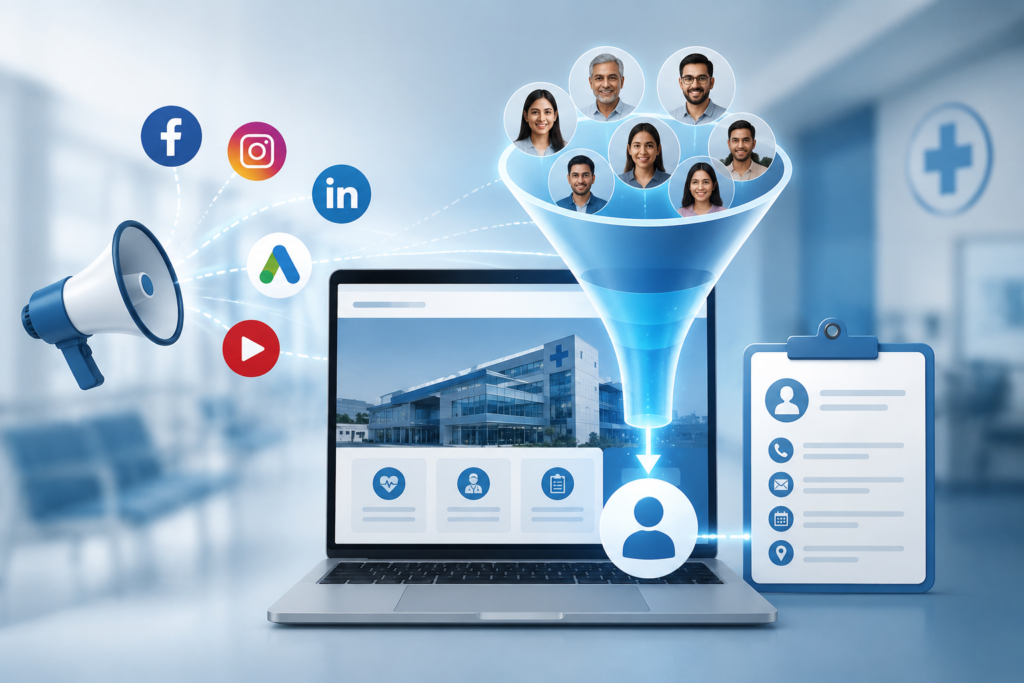
In today’s competitive healthcare industry, understanding How Hospitals Can Generate More Leads is essential for attracting new patients and increasing revenue. Hospitals that rely only on traditional marketing methods often struggle to reach potential patients who are searching online for healthcare services. By implementing the right digital marketing strategies, hospitals can improve visibility, build trust, and convert interested visitors into loyal patients. If you are wondering How Hospitals Can Generate More Leads, this guide will help you understand the most effective techniques that hospitals can use to increase patient inquiries and appointments. Why Lead Generation Matters for Hospitals Lead generation is the process of attracting potential patients and encouraging them to take action, such as booking an appointment, filling out a contact form, or calling the hospital. Understanding How Hospitals Can Generate More Leads helps healthcare organizations maintain a steady flow of new patients while strengthening their reputation in the market. Hospitals that invest in lead generation strategies can: Create a Professional Hospital Website One of the first steps in learning How Hospitals Can Generate More Leads is having a professional and user-friendly website. Your website serves as the digital front door of your hospital. Important elements include: A well-designed website encourages visitors to stay longer and increases the chances of converting them into patients. Invest in Local SEO Local SEO is among the most effective answers to the question of How Hospitals Can Generate More Leads. Most patients search for healthcare services near their location. Hospitals should optimize: For example, if someone searches for “best hospital near me” or “ENT hospital in Varanasi,” strong local SEO can help your hospital appear at the top of search results. Publish High-Quality Healthcare Content Content marketing plays a major role in How Hospitals Can Generate More Leads. Patients often search online for information about symptoms, treatments, and medical conditions before booking an appointment. Create content such as: Regular content updates improve search engine rankings and establish your hospital as a trusted healthcare authority. Run Google Ads Campaigns When discussing How Hospitals Can Generate More Leads, paid advertising cannot be ignored. Google Ads allows hospitals to target patients actively searching for healthcare services. Benefits include: Hospitals can create campaigns for specific departments such as: Properly optimized Google Ads campaigns can generate high-quality leads quickly. Utilize Social Media Marketing Social media platforms provide another effective method for How Hospitals Can Generate More Leads. Platforms like Facebook, Instagram, LinkedIn, and YouTube help hospitals engage with potential patients. Hospitals can share: Consistent social media activity increases brand visibility and builds trust among potential patients. Encourage Patient Reviews Online reviews strongly influence patient decisions. If you want to understand How Hospitals Can Generate More Leads, focus on reputation management. Ask satisfied patients to leave reviews on: Positive reviews help build credibility and improve local search rankings. Prospective patients are more likely to choose a hospital with strong ratings and genuine patient feedback. Use Landing Pages for Specific Services Dedicated landing pages are highly effective when exploring How Hospitals Can Generate More Leads. Instead of sending all traffic to the homepage, create pages specifically designed for individual treatments and specialties. Examples include: Each landing page should include: This focused approach increases conversion rates significantly. Implement Online Appointment Booking Patients expect convenience. A simple appointment booking system is an important part of How Hospitals Can Generate More Leads. Benefits include: Allow patients to schedule appointments directly through your website at any time. Use Email Marketing Email marketing remains a powerful strategy for How Hospitals Can Generate More Leads. Hospitals can stay connected with current and potential patients through regular communication. Email campaigns may include: Personalized emails help maintain patient engagement and encourage repeat visits. Leverage Video Marketing Video content is becoming increasingly important in healthcare marketing. Hospitals looking into How Hospitals Can Generate More Leads should create informative and engaging videos. Popular video ideas include: Videos help simplify complex medical information and build trust with viewers. Track and Analyze Performance A critical component of How Hospitals Can Generate More Leads is monitoring campaign performance. Hospitals should use tools such as: Track metrics like: Regular analysis helps identify which strategies generate the best results. Build Strong Community Engagement Hospitals can also generate leads through community involvement. Health camps, awareness programs, webinars, and local events increase visibility and trust. Community outreach activities help demonstrate expertise while creating opportunities to connect with potential patients. This is another practical way to improve How Hospitals Can Generate More Leads over time. Conclusion Understanding How Hospitals Can Generate More Leads is essential for long-term growth in the healthcare sector. Hospitals that combine a professional website, local SEO, content marketing, Google Ads, social media marketing, patient reviews, and appointment booking systems can attract more patients consistently. The healthcare industry is becoming increasingly digital, and patients now research hospitals online before making decisions. By implementing these lead generation strategies, hospitals can strengthen their online presence, build patient trust, and increase appointment bookings. Investing in the right marketing approach today can help hospitals achieve sustainable growth and stay ahead of the competition for years to come.

Scroll to Top